



 Polish Sweets
 Fresh Meat
 Sausages & Cold Cuts (Fresh)
 Packed Sausages & Cold Cuts
 Canned Meat Products


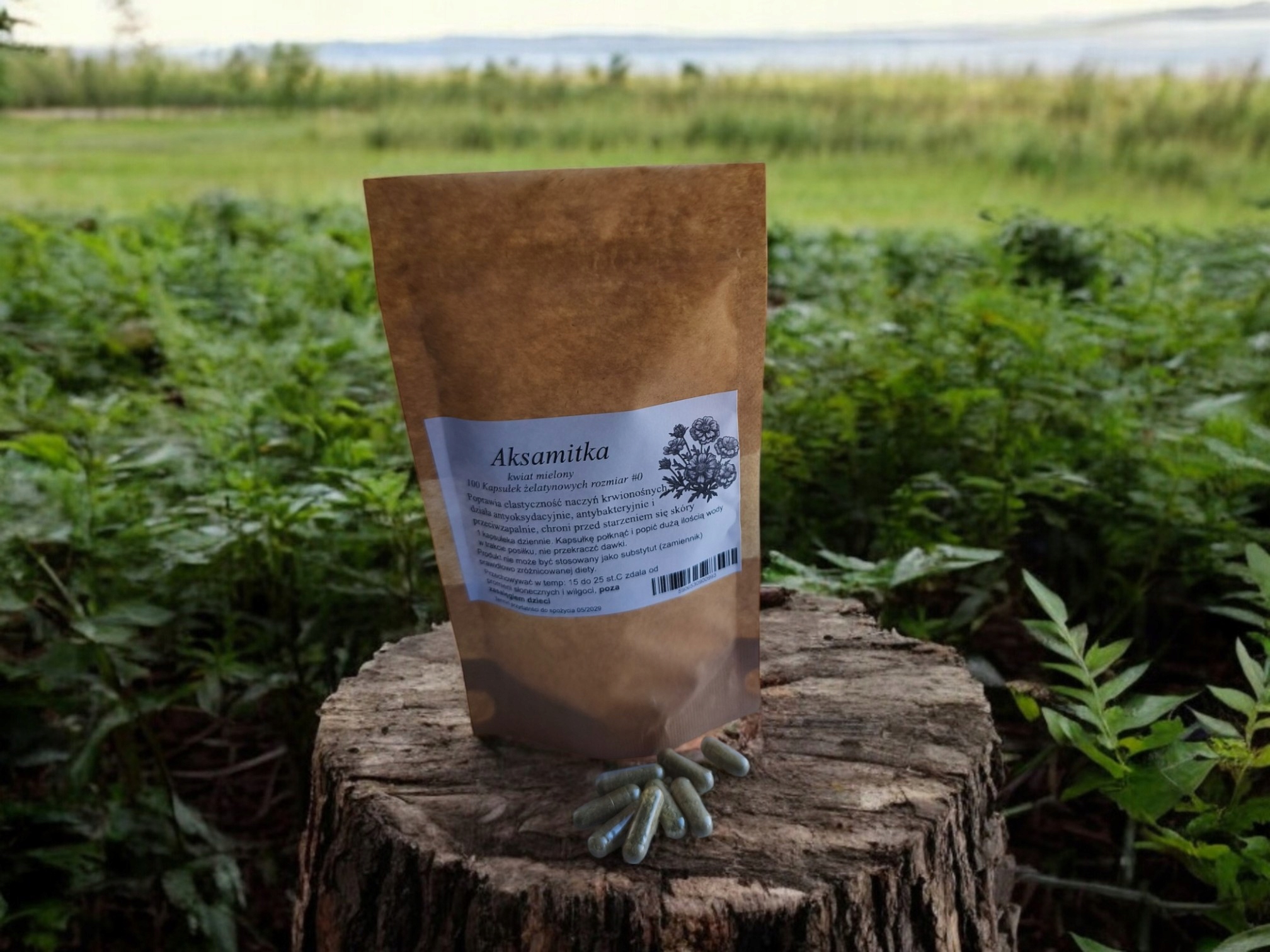
Contents : 100 gelatin capsules
- Directions for use: 1 capsule once a day. Swallow the capsule and drink plenty of water during a meal, do not exceed the dose.
- Storage conditions: Store in a dry, dark place out of reach of children.
- NOTES: Do not exceed the recommended daily dose. Not for use by pregnant or lactating women or children under 12 years of age.
- The product cannot be used as a substitute for a properly varied diet.
Marigolds , also known regionally as turki, stinky, żuczki, bull marigolds, student marigolds or biczki, are popular garden plants. They occur in many varieties that differ significantly in basic external features such as height, leaf shape or flower color. To date, 53 separate species of marigolds have been identified, and another two dozen taxa await unambiguous verification. The greatest natural diversity of these flowers occurs in Mexico, while the most widespread worldwide remain the shiny marigolds (Tagetes lucida), the scattered marigolds (Tagetes patula L.), the narrow-leaved marigolds (Tagetes tenuifolia) and the erect marigolds (Tagetes erecta L.). As scientific research has shown, all plants of this genus exhibit similar phytotherapeutic features and can be used in folk medicine as their substitutes.
Marigolds are annual plants from the Asteraceae family, naturally occurring in tropical to temperate climates of South America and Africa, currently known and cultivated worldwide as ornamental plants. Dwarf varieties grow to a height of 10-15 cm, while tall ones can reach 75-80 cm. All are characterized by a strongly branched stem, pinnate leaves and yellow, orange or yellow-orange flowers set on pedicels in flower baskets. The diameter of the flowers also varies, reaching, depending on the variety, from 1.5 to even 10 cm. Marigolds prefer sunny locations with fertile, permeable soil. They remain quite resistant to drought and do not require daily watering, but do not tolerate frost, which is why in the temperate climate zone they remain an annual plant. They emit a specific, resinous-balsamic aroma that repels nematodes, aphids, moles and other insects (including cabbage white caterpillars), which is why they are planted not only in ornamental flowerbeds, but also in vegetable patches.
Herbal raw material:
marigold flower (flos tagetesidis) 100%
Composition of marigold
The flower and herb of marigold contain up to 1.5% essential oils, among which tarragon, anethole and beta-caryophyllene predominate. The dried raw material also contains tannins, xanthophylls, thiophenes, piperitone, flavonoids (rutin, isorhamnetin, quercetin), lutein and coumarins.
Properties of marigold
Both the flowers and the leaves of marigold are characterized by a specific, balsamic-spicy scent and taste with a delicate note of bitterness and anise. The color of the flowers ranges from light yellow to dark, almost red orange, and there are also two-color varieties.
Action of marigold
Folk medicine attributes to marigold flowers anti-inflammatory, antitussive and expectorant effects (in terms of facilitating expectoration of secretions accumulated in the bronchi and lungs). Marigold flowers are used in phytotherapeutic medicine as an antispasmodic, choleretic and diuretic agent, accelerating the detoxification of the body and facilitating the removal of harmful metabolites from the liver and kidneys. Water extracts of marigold herb and flowers are recommended for external use for washing minor wounds and cuts due to their antibacterial properties and accelerating healing and scarring, while in concentrated form and taken orally they are considered effective antiparasitic and anthelmintic agents (for roundworms, flukes and protozoa). Marigold flowers inhibit inflammation of muscles and joints and inhibit the development of some autoimmune diseases. They have antibacterial and fungitoxic effects, both in infections caused by yeast (candida) in humans and in fungal infections of nails or skin. They have estrogenic and antiandrogenic properties.
Application of marigold
Marigold flower in herbal medicine
Marigold for eyesight and eye diseases
The active substances present in marigold flowers include lutein and zeaxanthin. These are organic compounds from the xanthophyll group, the purpose of which is to protect plants from the effects of reactive oxygen species. They are distinguished by their yellow color and are used in the food industry as food colorants. They play a special role in the human body – they are crucial for the proper functioning of the visual organ. Lutein and zeaxanthin are present in the retina of the eye, responsible for the correct reception of visual stimuli, black-and-white and color vision and the sharpness of contours, and their largest concentration is the so-called macula lutea. Lutein deficiency causes image distortion, reduced visual acuity and incorrect interpretation of colors. Regular supplementation of lutein from marigold flowers allows you to maintain proper eyesight, stops the progressive deterioration of vision caused by, for example, age, and prevents the occurrence of degenerations. It supports the treatment of retinopathy and glaucoma and prevents the appearance of tiring “scotomas”. In addition, water extracts from marigold flowers applied externally to the skin reduce the visibility of bags under the eyes, restore proper skin tension by smoothing wrinkles and brighten the skin, restoring a fresh, youthful appearance to the eyes.
Marigold for candidiasis
The flowers and herb of marigolds contain an organic compound called α-Tertienyl (alpha tertienyl) with strong antifungal activity. Water and alcohol extracts of marigolds have a toxic effect, among others, on the white fungus (Candida albicans) from the yeast family, responsible for the disease called candidiasis, as well as on the black aspergillus (Aspergillus niger), the black stolonifer (Rhizopus stolonifer) or fungi of the Colletotrichum species, responsible for plant diseases and rot. In addition, α-Tertienyl is active against viruses (including HIV), pathogenic bacteria of the gram-negative and gram-positive type, as well as cancer cells. In folk medicine, extracts from the marigold herb were recommended for colds, upper respiratory tract infections, as well as in the treatment of skin problems, including eczema. caused by fungi, bacteria and autoimmune diseases, e.g. psoriasis.
Marigold for ovarian hypofunction
The compounds contained in marigold flowers are substances with estrogenic and anti-androgenic effects. They reduce the effect of male sex hormones (mainly testosterone) on the body, which can cause conditions such as hirsutism, male pattern baldness or acne. At the same time, the active substances present in the herb and marigold flowers sensitize the body to the influence of estrogen. They stimulate the ovaries and support the regulation of the menstrual cycle, reduce the tendency to skin problems (especially acne), and prevent the occurrence of excessive hair in women. They have a beneficial effect on fertility.
Contraindications
Unknown.
Interactions – Adverse reactions – Side effects
Aqueous and alcoholic extracts used externally may sensitize the skin to sunlight.









Reviews
Clear filtersThere are no reviews yet.